
Literacy and the Library
By improving literacy, we enable the development of effective skills in communication for our students. To be literate is to be able to listen, speak, read and write at a level necessary to function in education, work and in society.
LITERACY ACROSS THE CURRICULUM
Literacy is supported in multiple ways across disciplines:
- Focus on key words (tier 3 vocabulary)
- Activities to assist learning and recall of subject-specific words.
- Expectations of accuracy in writing
- Consistent development of oracy
- Strategies to increase the sophistication of students’ reading
WORDOLOGY
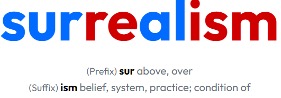
All students also work through a VOCABULARY programme that teaches them strategies of ‘morphemic analysis’ to access increasingly complex words. This involves breaking a word into its separate blocks of meaning (root word, prefix, suffix) to reveal the meaning.
READING FOR PLEASURE
The joy of reading a good book is something we strive to bring to our students. We recognise the enormous benefits regular reading provides, both personal and academic.
We are very proud of our LIBRARY at Applemore; it is a warm, inspiring environment, with an ever-changing selection of books, both fiction and non-fiction. We consistently update the shelves with new titles and do our best to fulfil student requests.
Our Library has also been a hub for exciting book-based activities. This could be celebrating World Book Day, welcoming visiting authors or experiencing workshops.
LitFest in the summer is a weeklong festival when we have welcomed writers, poets, theatre groups and illustrators to demonstrate the power of literature in all its many forms.
Other recent highlights have included a nature-writing workshop with local author Yarrow Townsend, triumphant participation in the Hampshire Poetry Slam at the Mayflower Studio Theatre and a workshop on football writing with Matt Oldfield.
Tutors also encourage reading through our Tutor Reads Programme when the whole class dive into a novel with their teacher.
Teenagers who read in their spare time know 26% more words than those who do not.
Dr Alice Sullivan – ‘The intergenerational transmission of vocabulary’
PERSONALISED LITERACY INTERVENTION
All teachers are trained to support and enrich literacy across the curriculum, however, or those students who are not confident readers, Applemore has several intervention routes to build their literacy skills.
Reading Ages are assessed regularly, and teachers use the data to tailor their lessons to individual needs.
LEXONIK LEAP uses diagnostic assessment to target the specific needs of learners. A personalised programme is then designed for them to develop their word decoding ability. Small group sessions ensure rapid progress.
LEXONIK ADVANCE is a more challenging programme assisting students with the more complex vocabulary they encounter in secondary education and beyond. Groups of four work through a six-week programme including reading, spelling and vocabulary understanding.
Our students using ‘Advance’ have made exceptional progress with an average increase in reading age of 38 months.
FUNCTIONAL SKILLS at KEY STAGE 4
To prepare for the world beyond school, we offer Functional Skills English qualifications for students in Year 10 and Year 11.
This gives them a secure foundation in reading and writing, speaking and listening, with a nationally recognised qualification.
The curriculum focuses on real-life communications, such as writing letters and reading reports to equip young people with the skills they need for college and future careers.
Our Inclusion Team also provide personalised support to students with Special Needs, please see the information on Special Educational Needs and Disabilities for more details.
Young people who are most engaged with literacy have better mental wellbeing than their peers who are less engaged.
National Literacy Trust survey
“Reading, writing, speaking and listening are fundamental skills that guide us through education and into the world beyond. Teaching, developing, and enriching those skills is the purpose of Literacy at Applemore.
We seek to enable students to balance technical mastery with enjoyment. This takes place throughout the curriculum, as well as through our Library and many additional programmes.”
2024 Ofsted Report – “The school works diligently to raise pupils’ literacy levels and foster a love of reading. Literacy initiatives, including World Book Day, the literary festival and library ambassadors are having a positive impact, especially for disadvantaged and older pupils.”
The correlation between reading ability and GCSE outcomes is significant across the subject range.
Read All About It (GL Assessment)
Children born into communities with low literacy levels have lower life expectancy through the conduits of health and socioeconomic factors.
National Literacy Trust