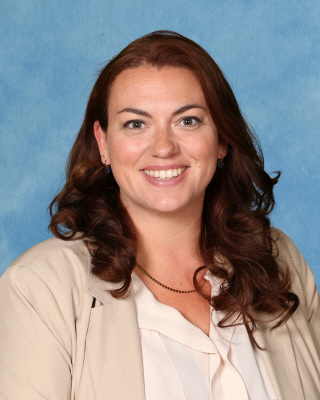
Designated Teacher
Aims
The school aims to ensure that:
• A suitable member of staff is appointed as the designated teacher (DT) for looked-after and previously looked-after children
• The designated teacher promotes the educational achievement of looked-after and previously looked-after children, and supports other staff members to do this too
• Staff, parents, carers and guardians are aware of the identity of the designated teacher, how to contact them and what they are responsible for
Legislation and statutory guidance
This policy is based on the Department for Education’s statutory guidance on the designated teacher for looked-after and previously looked-after children. It also takes into account section 2E of the Academies Act 2010. This policy complies with our funding agreement and articles of association.
Definitions
Looked-after children (LAC) are registered students that are:
• In the care of a local authority, or
• Provided with accommodation by a local authority in the exercise of its social services functions, for a continuous period of more than 24 hours.
Previously looked-after children (PL) are registered students that fall into these categories. They were looked after by a local authority but ceased to be as a result of any of the following:
• A child arrangements order, which includes arrangements relating to who the child lives with and when they are to live with them
• A special guardianship order
• An adoption order
Personal education plan (PEP) is part of a looked-after child’s care plan that is developed with the school. It forms a record of what needs to happen and who will make it happen to ensure the child reaches their full potential.
Virtual school head (VSH) is a local authority officer responsible for promoting the educational achievement of their authority’s looked-after children, working across schools to monitor and support these students as if they were in a single school. The VSH is also responsible for providing information and advice to schools, parents and guardians in respect of previously looked-after children.
The role of the Designated Teacher
The designated teacher will:
- Act as a central point of initial contact within the school for any matters involving looked-after and previously looked-after children
- Promote the educational achievement of every looked-after and previously looked-after child on roll by:
- Working with VSHs
- Promoting a whole school culture where the needs of these students matter and are prioritised
- Take lead responsibility for ensuring school staff understand:
- The things which can affect how looked-after and previously looked-after children learn and achieve
- How the whole school supports the educational achievement of these students
- Contribute to the development and review of whole school policies to ensure they consider the needs of looked-after and previously looked-after children
- Promote a culture in which looked-after and previously looked-after children are encouraged and supported to engage with their education and other school activities
- Act as a source of advice for teachers about working with looked-after and previously looked-after children
- Work closely with the school’s designated safeguarding lead to ensure that any safeguarding concerns regarding looked-after and previously looked-after children are quickly and effectively responded to.
- Involve parents and guardians of previously looked-after children in decisions affecting their child’s education
Supporting Looked-After Children
The relevant Head of Year, feeding back to and working closely with the DT, will:
• Work directly with looked-after and previously looked-after children and their carers, parents and guardians to promote good home-school links, support progress and encourage high aspirations
• Make sure looked-after children’s PEPs meet their needs by working closely with other teachers to assess each child’s specific educational needs
• Have overall responsibility for leading the process of target-setting in PEPs
• Monitor and track how looked-after children’s attainment progresses under their PEPs
• If a child is not on track to meet their targets, be instrumental in agreeing the best way forward with them in order to make progress, and ensure that this is reflected in their PEP
• Ensure the identified actions of PEPs are put in place
• During the development and review of PEPs, help the school and relevant local authority decide what arrangements work best for students
• Ensure that:
o A looked-after child’s PEP is reviewed before the statutory review of their care plan – this includes making sure the PEP is up to date and contains any new information since the last PEP review, including whether agreed provision is being delivered
o PEPs are clear about what has or has not been taken forward, noting what resources may be required to further support the child and from where these may be sourced
o The updated PEP is passed to the child’s social worker and VSH ahead of the statutory review of their care plan
• Transfer a looked-after child’s PEP to their next school or college, making sure it is up to date and that the local authority responsible for looking after them has the most recent version
Supporting both Looked-After Children and Previously Looked-After Children
The designated teacher, with the relevant Head of Year, will:
• Ensure the specific needs of looked-after and previously looked-after children are understood by staff and reflected in how the school uses pupil premium funding
• Work with VSHs to agree how pupil premium funding for looked-after children can most effectively be used to improve their attainment
• Help raise the awareness of parents and guardians of previously looked-after children about pupil premium funding and other support for these children
• Play a key part in decisions on how pupil premium funding is used to support previously looked-after children
• Encourage parents’ and guardians’ involvement in deciding how pupil premium funding is used to support their child, and be the main contact for queries about its use
• Ensure teachers have awareness and understanding of the specific needs of looked-after and previously looked-after children in areas like attendance, homework, behaviour and future career planning
• Be aware of the special educational needs (SEN) of looked-after and previously looked-after children, and make sure teachers also have awareness and understanding of this • Ensure the SEND code of practice, as it relates to looked-after children, is followed
• Make sure PEPs work in harmony with any education, health and care (EHC) plans that a looked-after child may have
• Ensure that, with the help of VSHs, they have the skills to identify signs of potential SEN issues in looked after and previously looked-after children, and know how to access further assessment and support where necessary
• Ensure that they and other staff can identify signs of potential mental health issues in looked-after and previously looked-after children and understand where the school can draw on specialist services
Relationships beyond the school
The relevant Head of Year, feeding back to and working closely with the DT, will:
- Proactively engage with social workers and other professionals to enable the school to respond effectively to the needs of looked-after and previously looked-after children
- Discuss with social workers how the school should engage with birth parents, and ensure the school is clear about who has parental responsibility and what information can be shared with whom.
- Be open and accessible to parents and guardians of previously looked-after children and encourage them to be actively involved in their children’s education
- Proactively build relationships with local authority professionals, such as VSHs and SEN departments
- Consider how the school works with others outside of the school to maximise the stability of education for looked-after children, such as:
Finding ways of making sure the latest information about educational progress is available to contribute to the statutory review of care plans
Ensuring mechanisms are in place to inform VSHs when looked-after children are absent without authorisation and work with the responsible authority to take appropriate safeguarding action.
Talking to the child’s social worker and/or other relevant parties in the local authority regarding any decisions about changes in care placements which will disrupt the child’s education, providing advice about the likely impact and what the local authority should do to minimise disruption
Making sure that, if a looked-after child moves school, their new designated teacher receives any information needed to help the transition process
Seek advice from VSHs about meeting the needs of individual previously looked-after children, but only with the agreement of their parents or guardians
Virtual Schools provide extensive training and support via regular briefings
Make sure that for each looked-after child:
There’s an agreed process for how the school works in partnership with the child’s carer and other professionals, such as their social worker, in order to review and develop educational progress.
School policies are communicated to their carer and social worker and, where appropriate, birth parents
Teachers know the most appropriate person to contact where necessary, such as who has the authority to sign permission slips
Where a looked-after child is at risk of exclusion:
Contact the VSH as soon as possible so they can help the school decide how to support the child to improve their behaviour and avoid exclusion becoming necessary
Working with the VSH and child’s carers, consider what additional assessment and support needs to be put in place to address the causes of the child’s behaviour
Where a previously looked-after child is at risk of exclusion, talk to the child’s parents or guardians before seeking advice from the VSH on avoiding exclusion
Links with other policies
This policy links to the following policies and procedures:
• Behaviour
• Child protection and safeguarding
• Exclusions
• SEN
• Supporting students with medical needs
POLICY INFORMATION
Mrs H Lowe